We can begin from sketches, sample garments, product references or a complete development pack.
Manufacturing process
How we make your collection.
From the first review of your design direction to approved samples, bulk production, quality control and final delivery — here is how Angora turns an idea into a production-ready collection.
Materials, fit, construction details and production decisions are aligned before the order moves forward.
Once approved, we coordinate manufacturing, finishing, packaging and delivery planning.
The Angora workflow
A production path designed to stay clear from the first conversation onward.
Some brands arrive with a developed range, some only with an idea. In both cases, the job is the same: clarify what is being made, confirm how it should be made, and move into production only after the key decisions are visible.
What this means for your team
Founders, product teams and sourcing managers all see the same path: design review, sampling, approvals, production, quality control, finishing and dispatch.
Development first
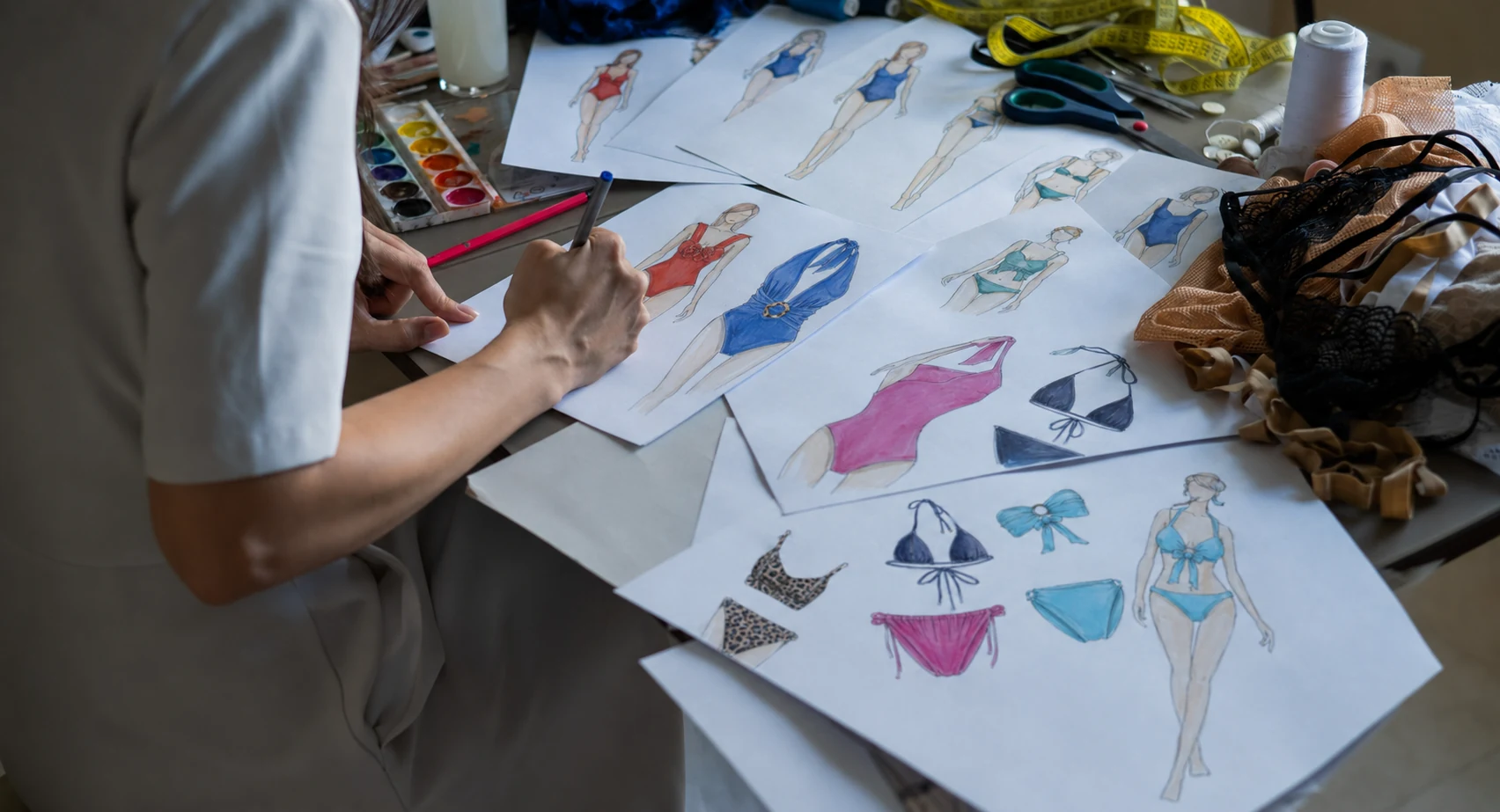
We start by clarifying design references, fit intention, material needs and commercial scope before manufacturing decisions are fixed.
Approval-led movement
Each stage creates the next one. Sample approvals inform costing, approved details inform production, and final checks inform shipping readiness.
Built for emerging and established brands
Whether you are launching a first collection or reviewing an existing supplier, the process remains structured and easy to follow.
01 Project brief & technical review
We begin by understanding what you want to build.
We review your references, sketches, sample garments, category mix, target quantities, launch timing and the level of support your team needs.
- Share sketches, reference images, sample garments or a tech pack.
- Clarify product categories, expected style count and size range.
- Define whether the need is sampling, supplier transition or full production.
02 Fabrics, trims & sourcing
Materials are aligned with the product direction.
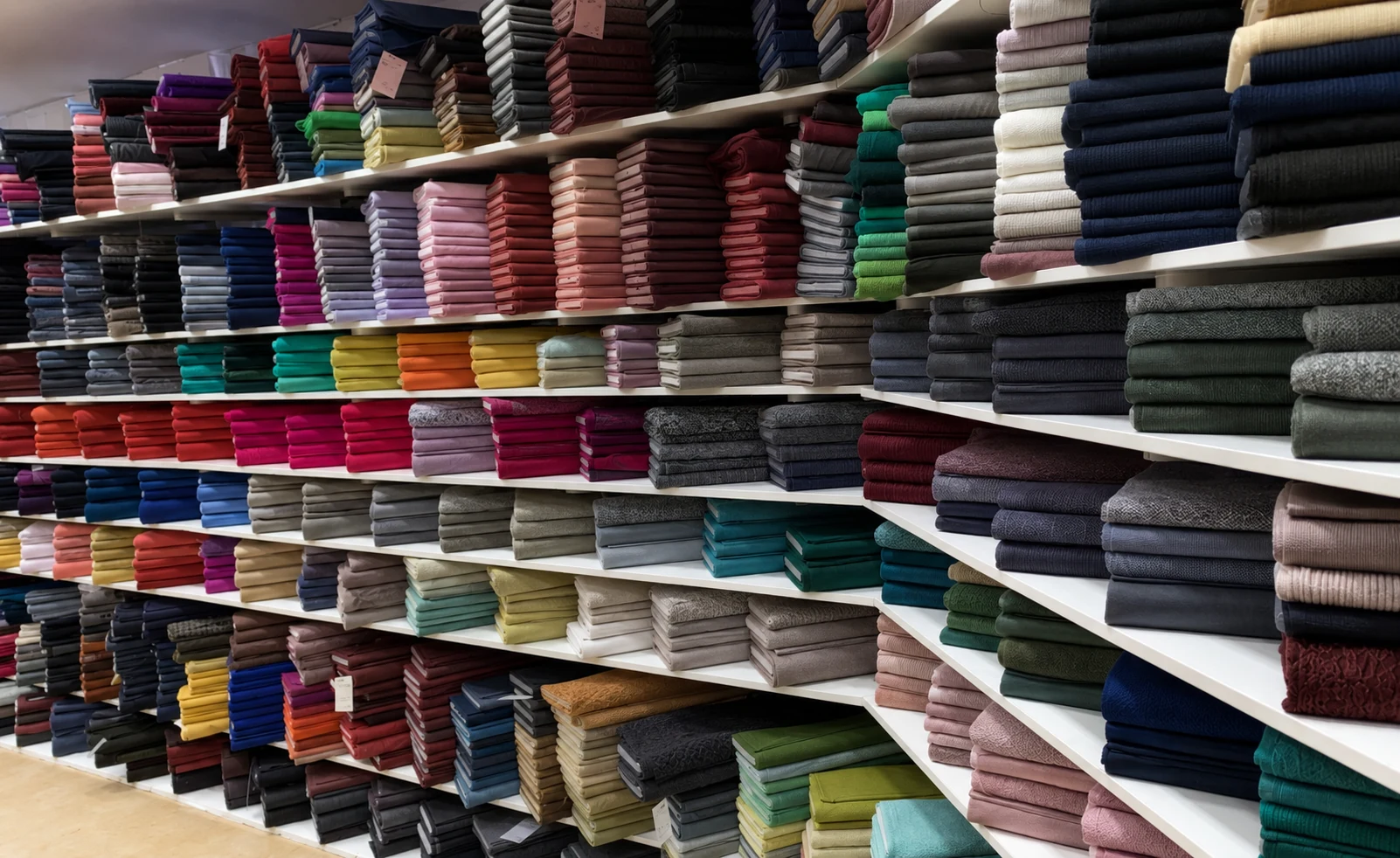
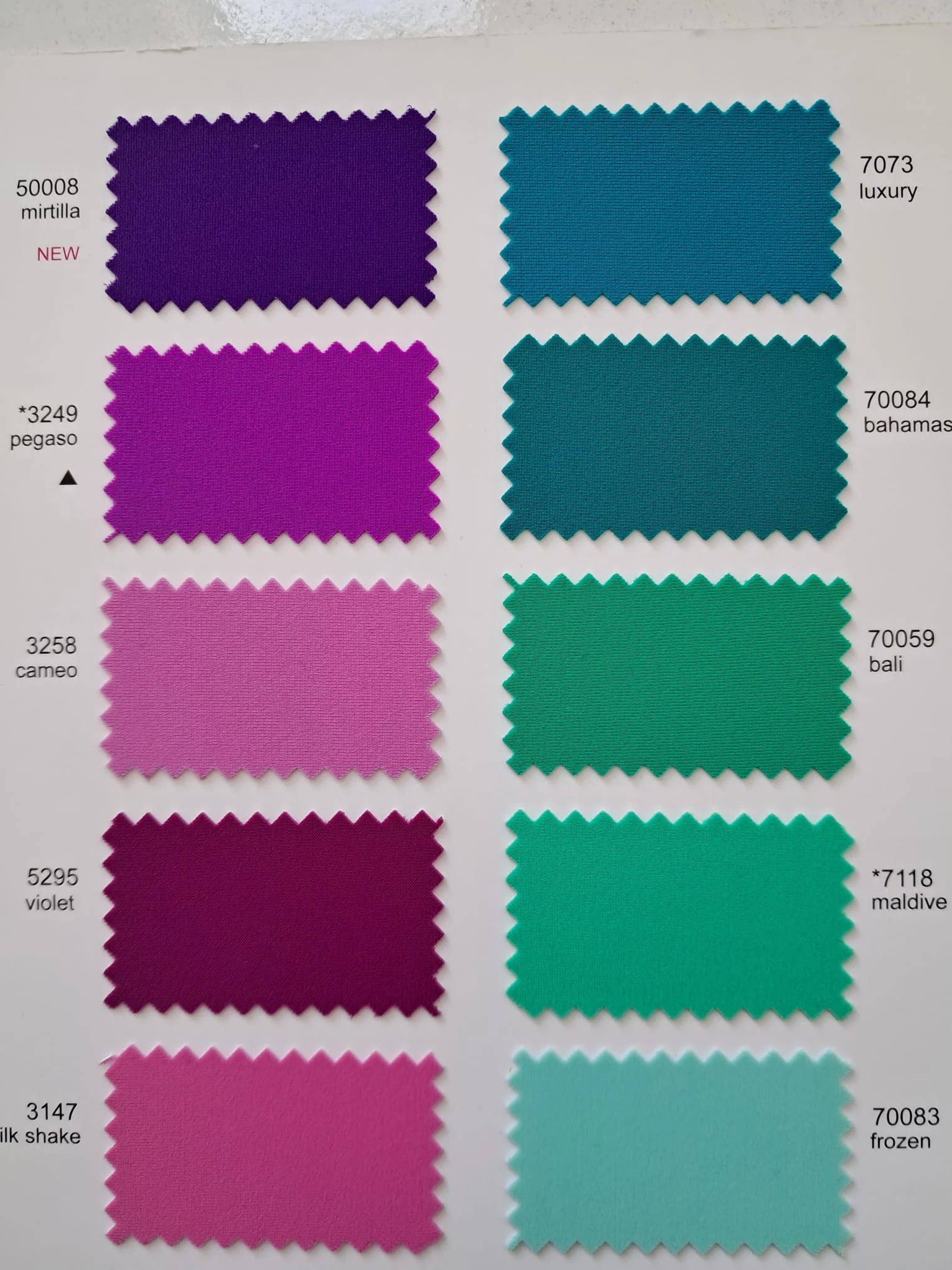
Fabric handfeel, composition, performance, lining, elastics, accessories and trims are reviewed against the desired look, function and target market.
- Select or review swimwear fabrics, linings and support materials.
- Confirm color direction, components and construction considerations.
- Discuss whether materials are nominated by the brand or coordinated through Angora.
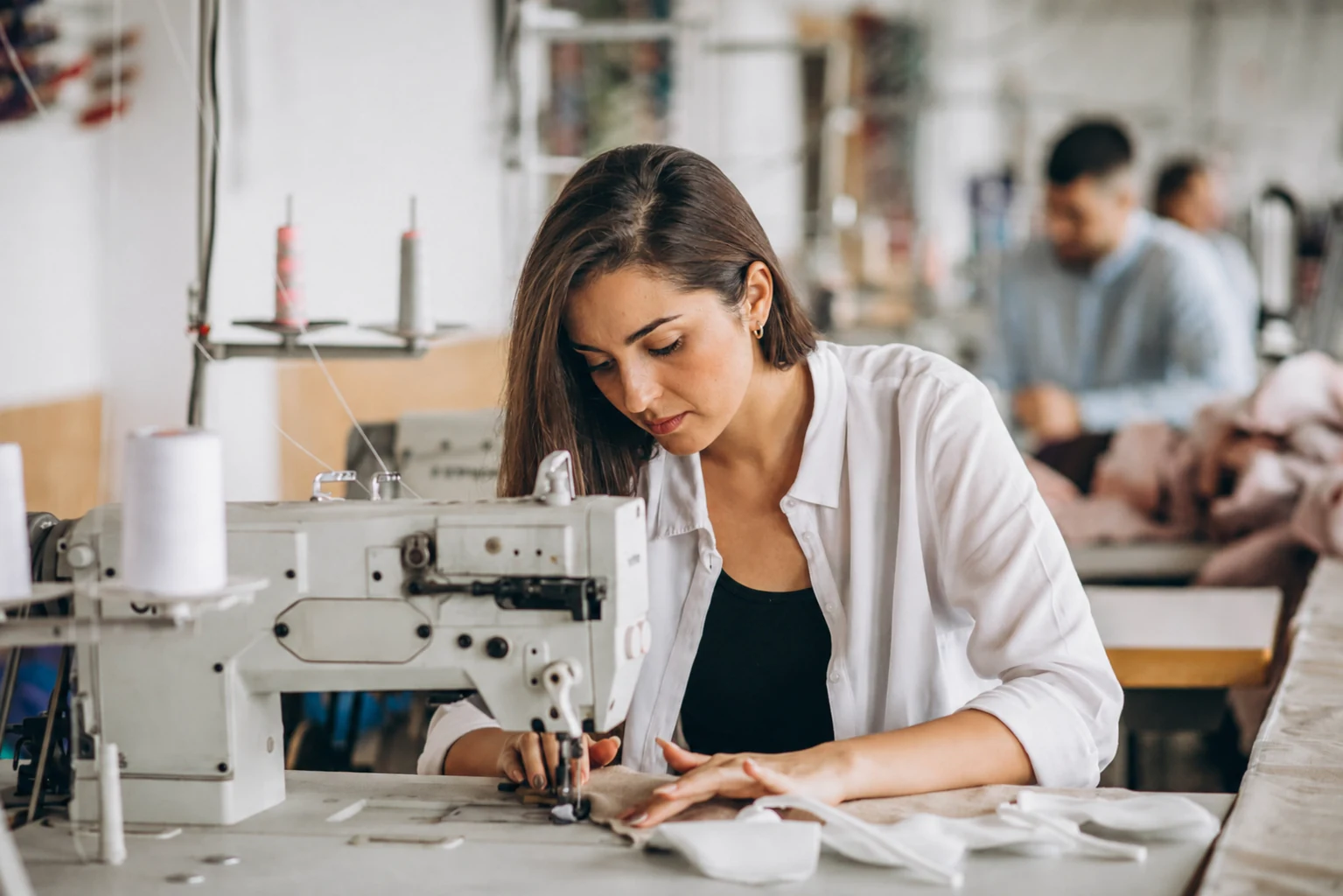
03 Pattern development & sampling
Patterns and samples turn the idea into something tangible.
This is where design intent becomes a real product. Construction, fit direction and details begin to move from concept into a reviewable sample.
- Develop prototype direction from the approved brief and material decisions.
- Prepare samples for review of shape, proportion and construction.
- Use sampling to expose questions early, before bulk production planning begins.
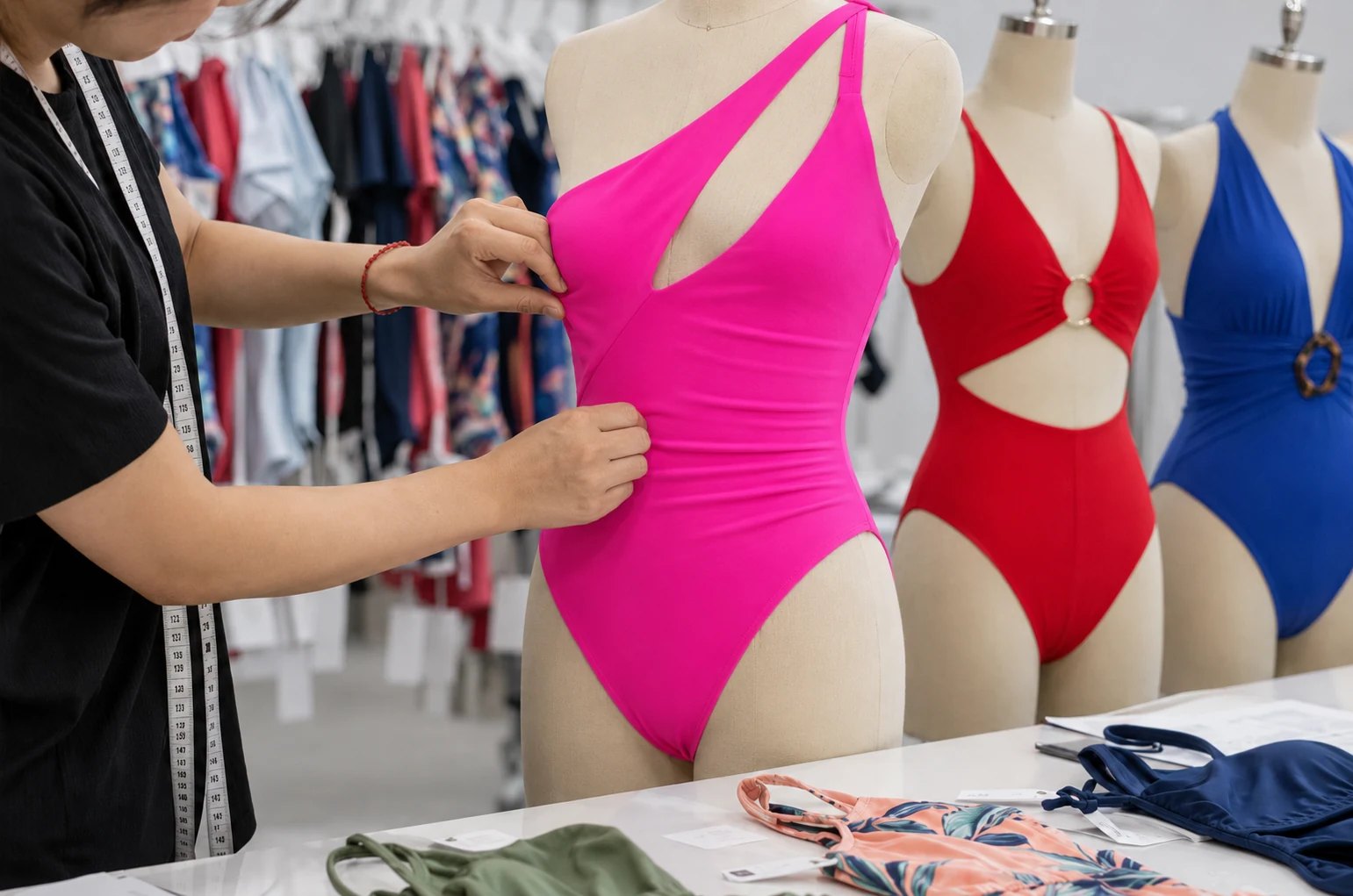
04 Fit, approvals & costing
Key decisions are confirmed before the order progresses.
Approvals create clarity. Sample comments, fit changes, measurements, material confirmations and commercial expectations are aligned before bulk planning starts.
- Review fit direction, construction notes and product refinements.
- Confirm the version that should move into production planning.
- Use approvals to keep sourcing, product and operations aligned.
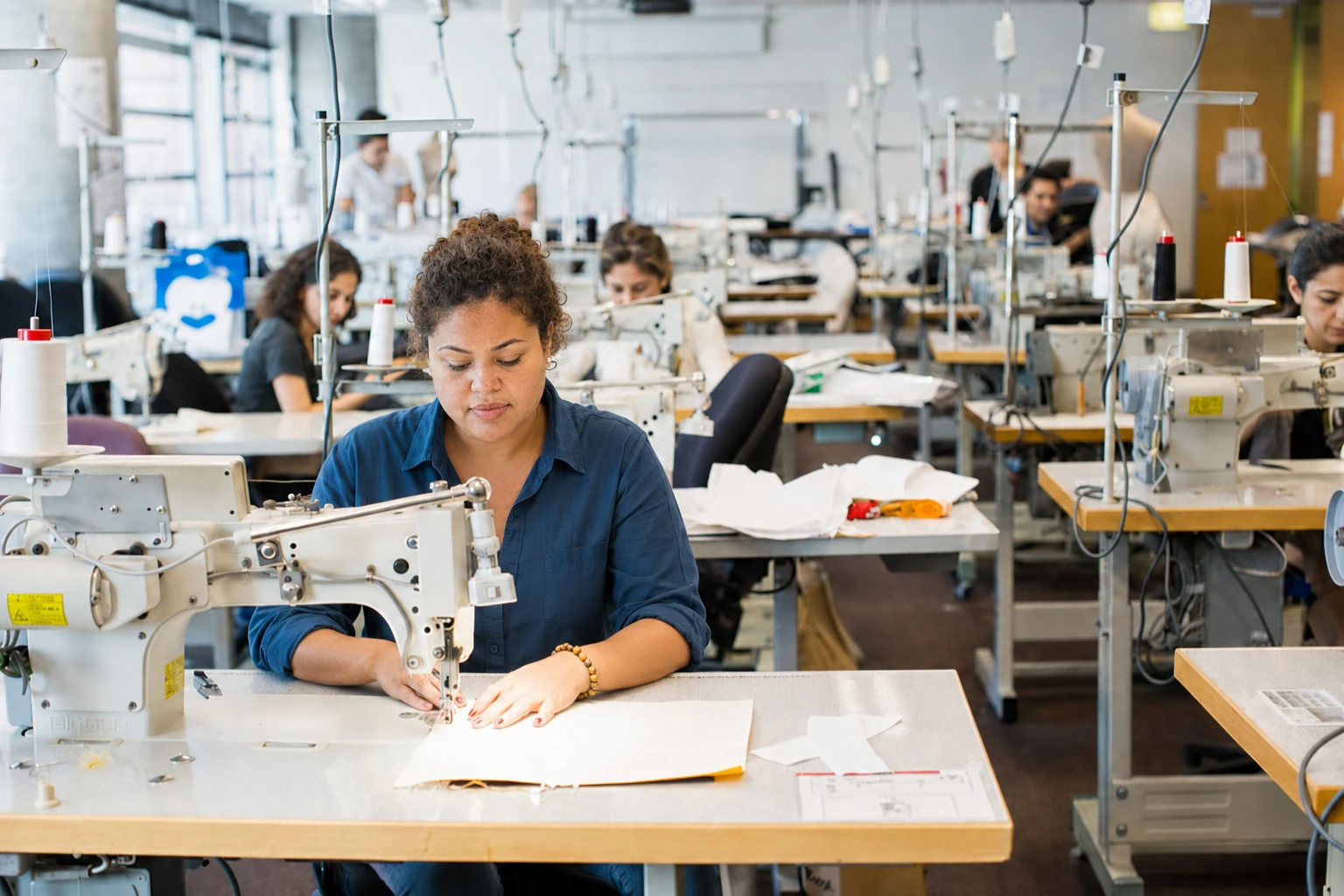
05 Bulk production
Approved styles move into planned manufacturing.
Once the collection is approved, the project shifts from development into execution — with production steps organized against capacity, materials and confirmed order scope.
- Coordinate production against approved styles, colors, sizes and quantities.
- Maintain visibility on the requirements that were agreed before production.
- Keep the collection moving through a structured manufacturing sequence.
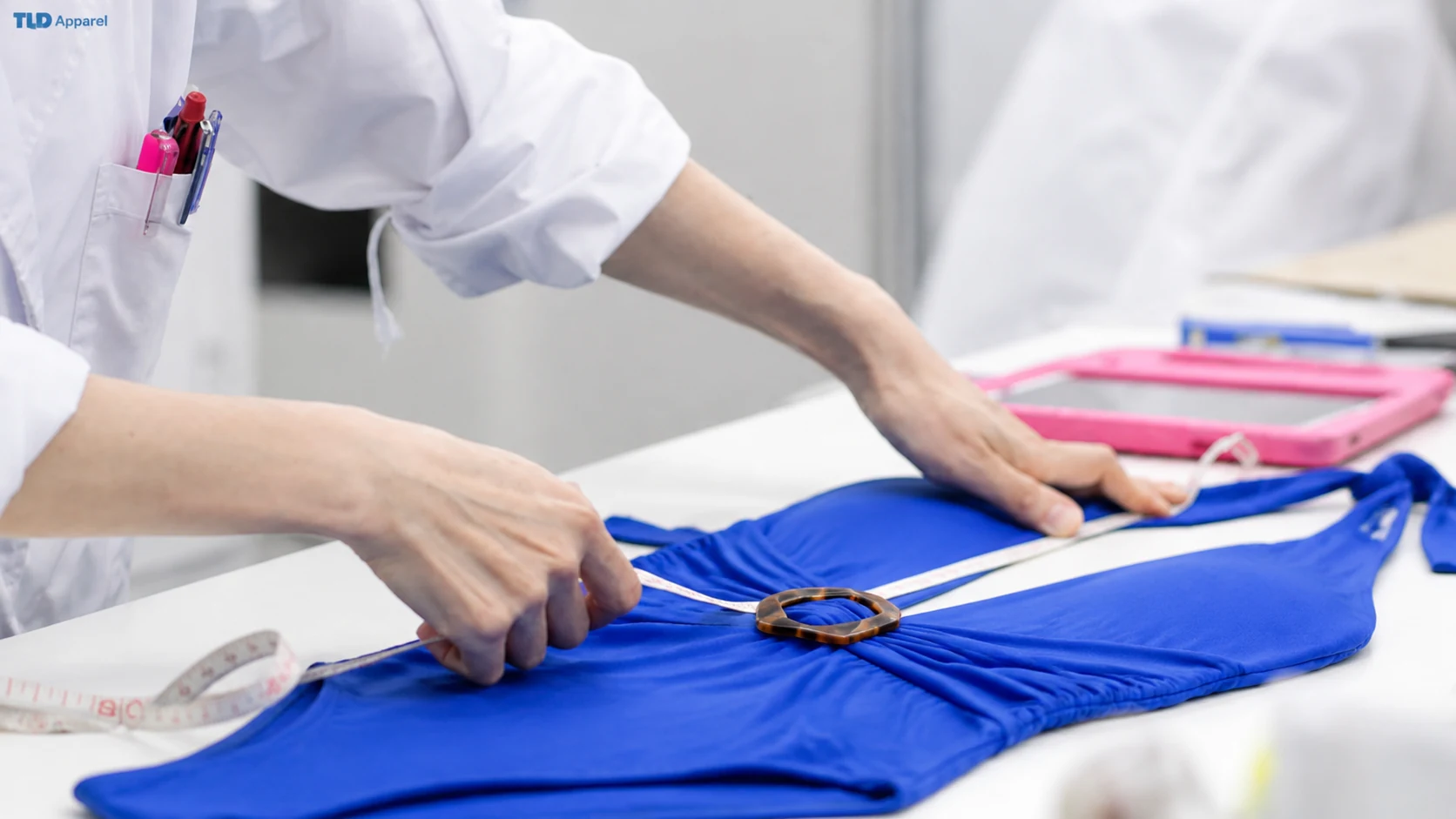
06 Quality control
Quality is checked throughout the manufacturing journey.
Quality control is not a single final moment. It supports the movement from approved product definition to finished goods ready for dispatch.
- Monitor product consistency against the approved direction.
- Keep measurement, construction and finishing expectations visible.
- Use inspection checkpoints to reduce surprises at the end of the process.
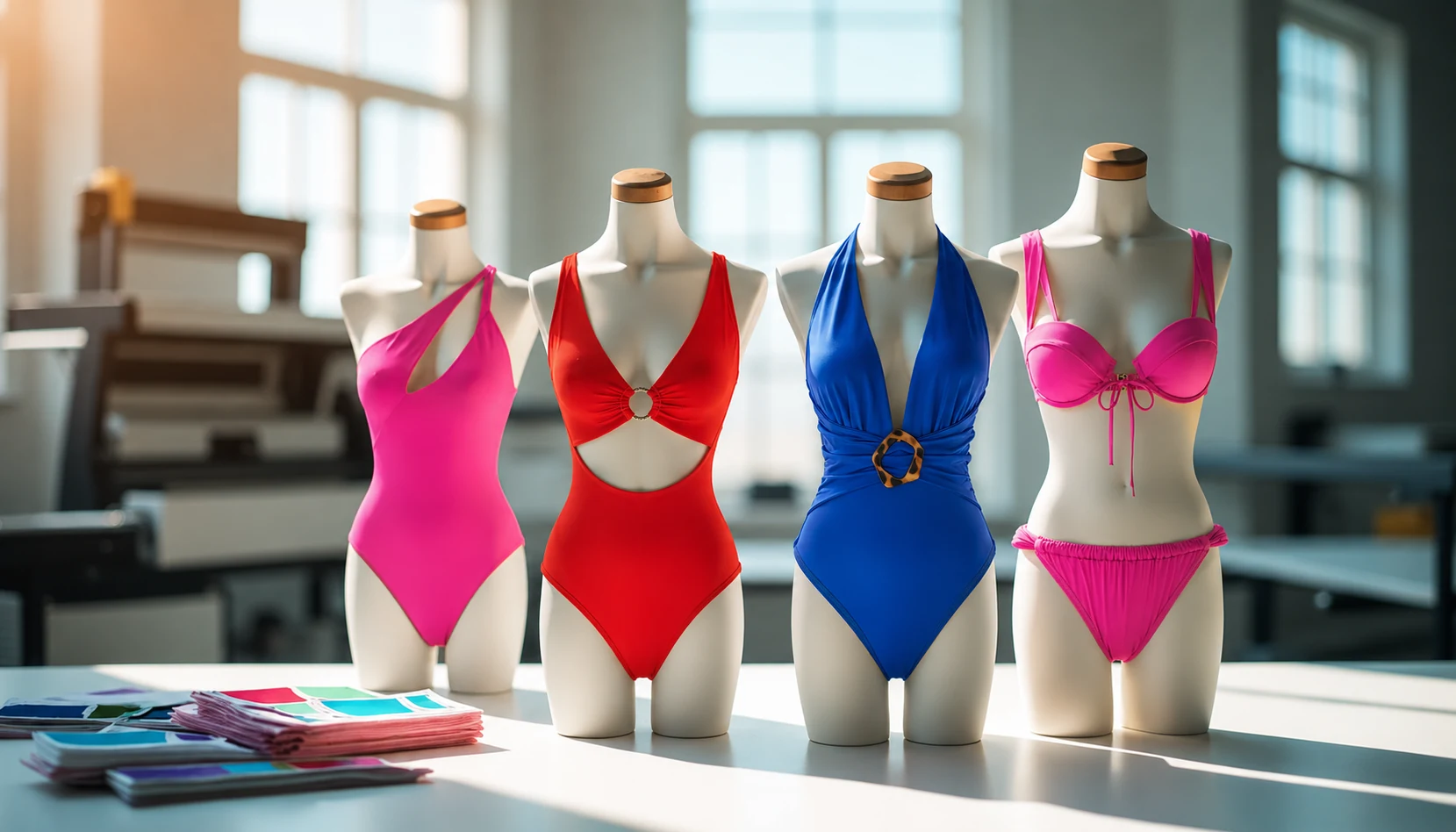
07 Branding & packaging
The collection is finished for your brand presentation.
Brand labels, hangtags, packaging direction and packing requirements are coordinated so the final goods align with the way the brand is presented to the market.
- Review labels, tags, care information and packaging requirements.
- Align finishing details with the collection and the market destination.
- Keep presentation details connected to the approved product programme.
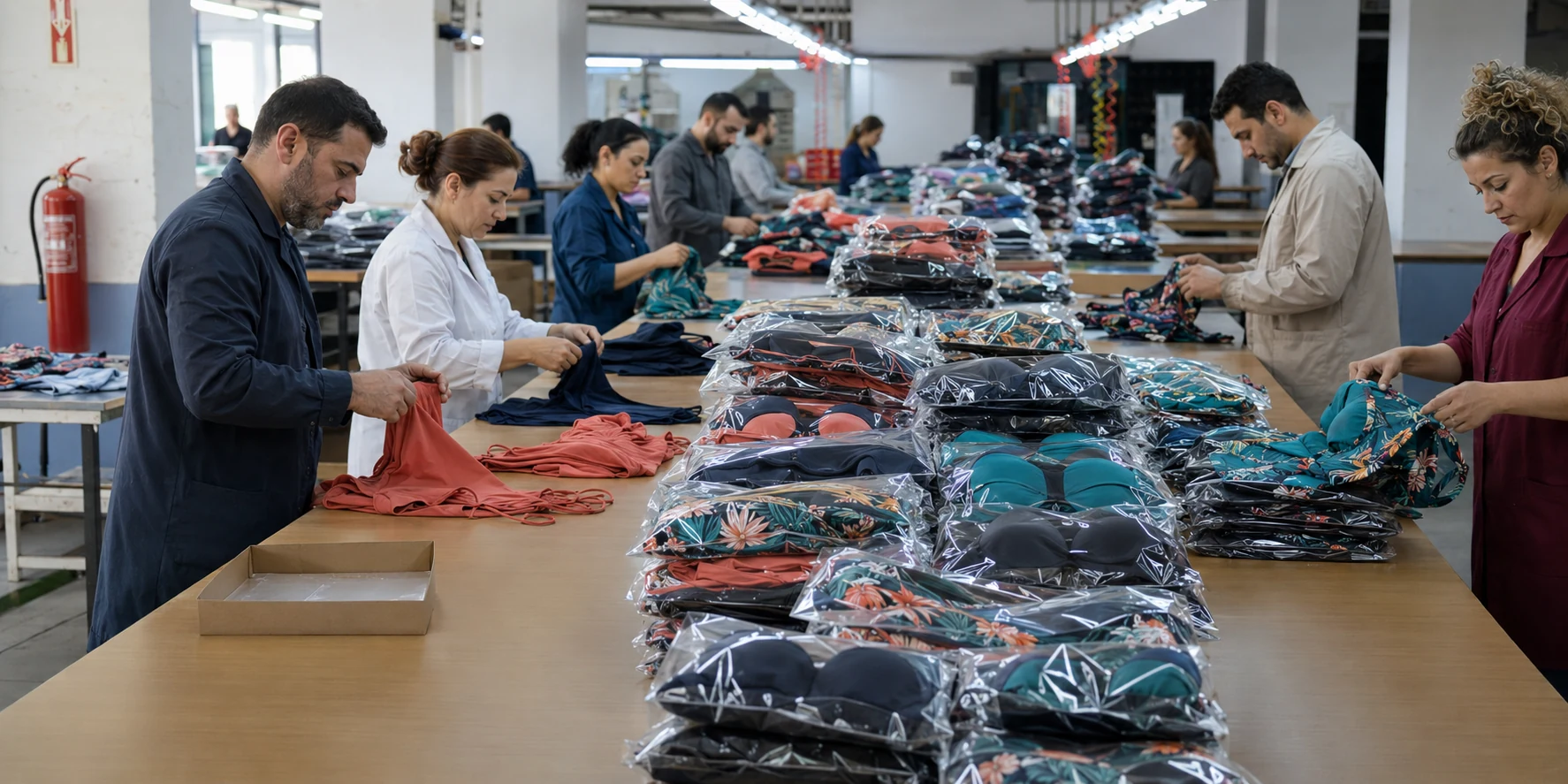
08 Final inspection & dispatch readiness
Before shipment, the collection is prepared for release.
Final review, packing coordination and shipment readiness sit between manufacturing completion and delivery. This is where the collection becomes a finished order.
- Complete final inspection and order finishing checks.
- Prepare goods for packing, dispatch and delivery coordination.
- Keep the final step aligned with the agreed shipment expectations.
09 Delivery & next-step planning
Orders are delivered, and the next production conversation becomes easier.
Once a collection has moved through development, approvals, production and shipping, future conversations become more efficient — especially for repeat programmes and scaling brands.
- Coordinate the handover of finished goods.
- Use the completed project as the basis for future repeat styles or new developments.
- Continue the partnership with better clarity on requirements, materials and timing.
To get started
The three things that help us review a project faster.
You do not need to have everything prepared. But if you can share some of the following information, the first production conversation becomes much more productive.
Design references
Show us what you are trying to make, even if it is early.
- Tech pack, sketches or mood references
- Sample garments or photos of similar products
- Notes about fit, silhouette or construction
Commercial scope
Commercial details help define the right development and production path.
- Expected number of styles, colors and sizes
- Estimated total quantity or sampling needs
- Launch timing or target delivery window
Support level
Tell us how much of the process your team already manages.
- Materials nominated by the brand or sourced with support
- Need sampling only, or a fuller production programme
- Branding, packaging and delivery requirements
Next step
Ready to discuss your collection?
Send your references, tell us where you are in the process and we will review the right development or production path with you.